How to Grill Steak with Two-Zone Heat
Great steak is mostly about heat control, timing and knowing when to move from searing to gentler cooking. A two-zone grill gives you both a hot side for crust and a cooler side for finishing without burning the exterior.
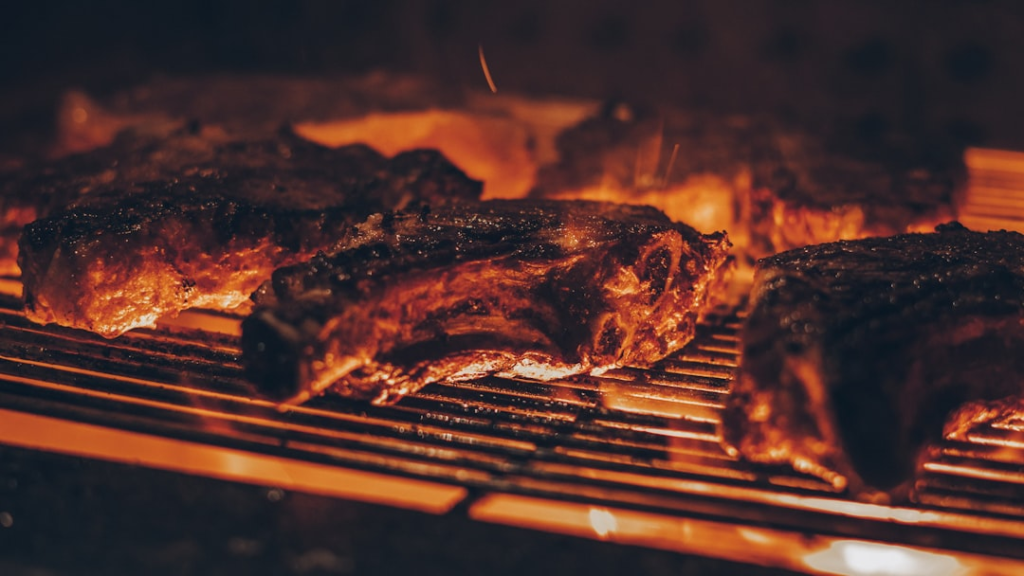
Set Up Two Heat Zones
On charcoal, pile most of the lit coals on one side. On gas, run one side hot and leave another burner lower or off. Sear the steak over direct heat, then move it to the cooler zone when the outside is browned but the center still needs time.
Use an instant-read thermometer instead of relying only on time. Desired doneness and official food-safety targets are not always the same, so check our Safe Meat Temperature Guide before serving.
Rest Before Slicing
Give the steak a short rest before slicing so heat and juices redistribute. Slice across the grain for better tenderness, especially on flank, skirt and similar cuts.
For a more repeatable cook: preheat the grill fully, dry the steak surface before seasoning, and keep the cooler zone ready before the meat goes on. Thick steaks benefit most from the two-zone method because you can build color first and then finish gently without burning the crust.
If flare-ups start, move the steak temporarily to the indirect side rather than letting flames lick the meat. On a gas grill, avoid repeatedly opening the lid during the finishing stage because every opening dumps heat. On charcoal, keep the vents open enough to maintain clean combustion instead of smothering the fire.
Use the thermometer near the center of the thickest part and check from the side when possible. Temperature can continue to rise slightly during the rest, so plan the finish with that carryover in mind. Different cuts behave differently, but the principle stays the same: sear where the heat is strongest, finish where the heat is gentler, then rest before slicing.
Need a thermometer? See our See Our Best Instant-Read Thermometers → guide. For the full setup, see Two-Zone Grilling Explained.