How to Grill Chicken Without Drying It Out
Dry chicken usually comes from too much direct heat for too long. The easiest fix is to combine browning over direct heat with gentler finishing over indirect heat, then use a thermometer instead of guessing by appearance.
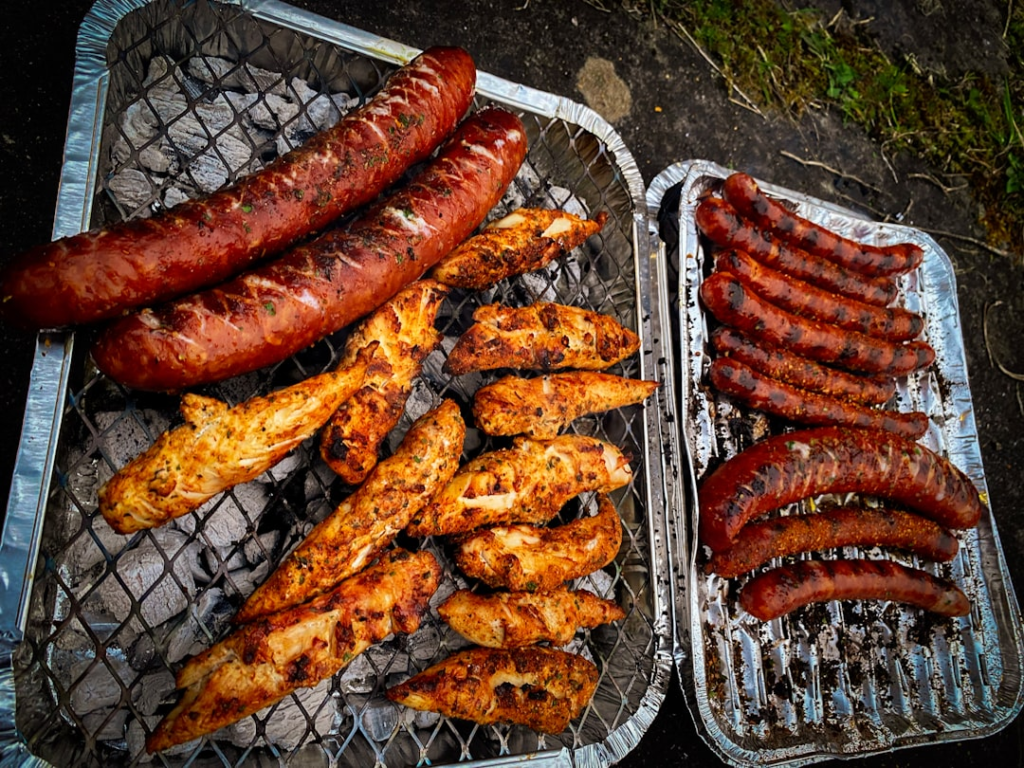
Use Direct Heat for Color, Indirect Heat for Control
Start by browning the chicken over the hotter side of the grill, then move it to the cooler side and close the lid. Bone-in pieces usually benefit most from this approach because the interior needs more time than the skin or exterior.
For poultry, USDA guidance uses 165°F as the safe minimum internal temperature. Check the thickest part without touching bone. Our Safe Meat Temperature Guide has the full reference.
Small Details That Help
Pat the surface dry before seasoning so it browns instead of steaming. Keep sugary sauces for the later part of the cook because they can scorch over high heat. Let the chicken rest briefly after it comes off the grill.
Match the method to the cut. Boneless breasts cook quickly and can dry out fast, so use moderate direct heat and move them off the hottest area as soon as the exterior has good color. Thighs and drumsticks tolerate longer cooking and benefit from more time over indirect heat. Bone-in breasts usually need both zones because the thickest part takes longer than the surface.
Try to keep pieces of similar size together so they finish at roughly the same time. If one side of the grill runs hotter, rotate the pieces rather than constantly flipping them. With skin-on chicken, start with controlled heat to render some fat, then use higher heat near the end if the skin still needs crisping.
A thermometer is especially useful with poultry because color is not a reliable doneness test. Check the thickest section and avoid touching bone with the probe. Once the safe internal temperature is reached, remove the chicken promptly instead of leaving it over heat just because the outside could use more color; browning can be adjusted earlier in the cook.
For spot checks, see our See Our Best Instant-Read Thermometers →. For heat control, see Two-Zone Grilling Explained.