How to Keep Smoker Temperature Steady
Stable smoker temperature is mostly about controlling airflow, using a predictable fuel bed and avoiding unnecessary lid openings. Once those three things are under control, long cooks become much easier.
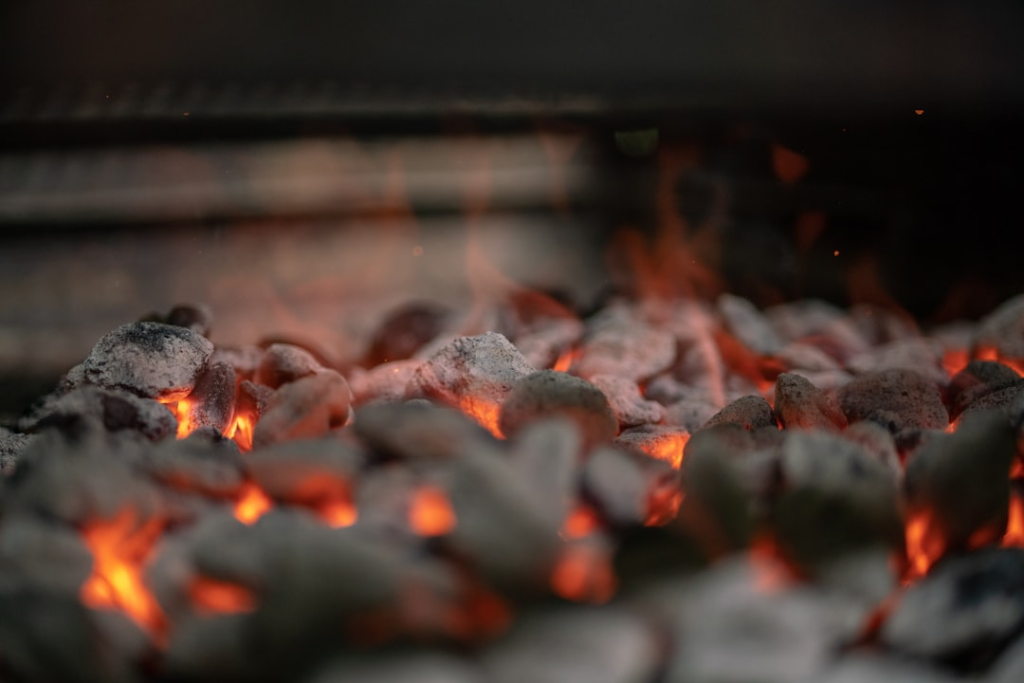
Start with a Small, Clean Fire
A huge fire is harder to control than a smaller one burning cleanly. Add fuel gradually and give the smoker time to respond before making another adjustment.
For charcoal smokers, control heat mainly with the intake vent and leave enough exhaust flow for clean combustion. Thick white smoke usually means the fire needs more oxygen.
Do Not Chase Every Temperature Swing
Smokers naturally cycle. A short move above or below your target is less important than the average cooking temperature over time. Constantly changing vents can create bigger swings than doing nothing.
Use a reliable grate-level thermometer rather than depending only on a lid gauge. Our See OurBest Meat Thermometers for 2026 → covers useful options.
Weather Changes the Fire
Cold air, wind and rain increase heat loss. Shelter the smoker from wind without enclosing it or creating a fire hazard. In cold conditions, expect higher fuel use and slower recovery after opening the lid.
If you want less manual fire control, compare our Best Pellet Smokers and Best Charcoal Smokers.