Propane vs Charcoal vs Pellet for Portable Grilling
Portable grills are really defined by their fuel. Propane, charcoal and pellets each change how quickly you can cook, how much gear you must carry and how much cleanup you face when the meal is over.
Propane: Best for Convenience
Propane is usually the easiest portable-grill fuel. It lights quickly, offers predictable heat and creates no ash. Small cylinders are easy to transport for car camping and tailgating, and many compact grills are built specifically around them.
Best for: quick meals, family camping, RV trips and frequent travel.
Main trade-off: you must carry fuel canisters and store them safely.
Charcoal: Best for Flavor & Simplicity
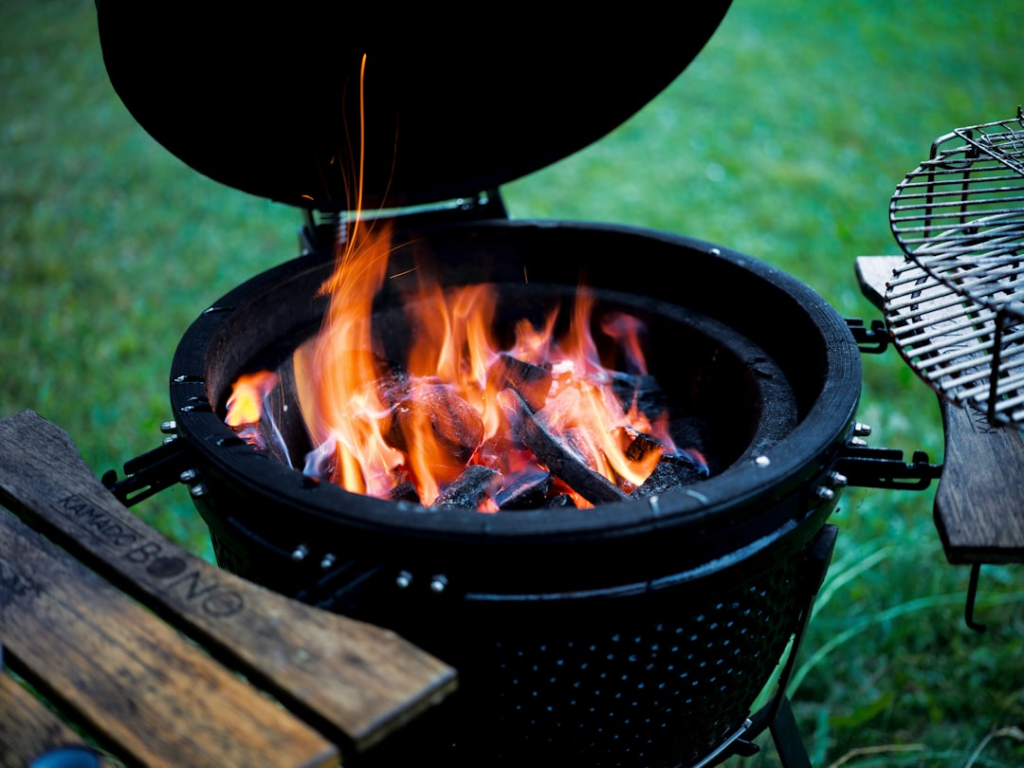
Charcoal gives portable grilling the closest feel to a traditional backyard cookout. Compact charcoal grills have few moving parts, produce strong searing heat and can add more smoke character than propane.
Best for: flavor-focused campers, picnics and trips where electricity is unavailable.
Main trade-off: slower startup, ash cleanup and stricter fire restrictions in many parks during dry conditions.
Pellets: Best for Portable Smoking
Portable pellet grills are the most specialized option. They are attractive when you want controlled temperatures, longer cooks and wood-smoke flavor away from home. The catch is that most need AC power and weigh considerably more than basic tabletop grills.
Best for: powered campgrounds, RV parks, cabins and tailgates where low-and-slow cooking matters.
Main trade-off: electricity, pellet storage and added weight.
Which Fuel Should You Choose?
Choose propane if you want the least fuss.
Choose charcoal if flavor and simple equipment matter most.
Choose pellets if you have power and want portable smoker capability.
Whatever you choose, check local fire rules before cooking. Portable does not automatically mean permitted everywhere.
Next Step
Once you know which fuel fits your travel style, compare our See Our Best Portable Grills for 2026 →. If you are still deciding between a grill and a lighter cooking setup, read Portable Grill vs Camping Stove.