Indoor Grilling Under a Range Hood: Safety and Smoke Control
A kitchen range hood can help remove normal cooking vapor, grease and some smoke from an indoor electric grill, but it is not a safety substitute for using the correct appliance. The grill itself must be designed and approved for indoor use.
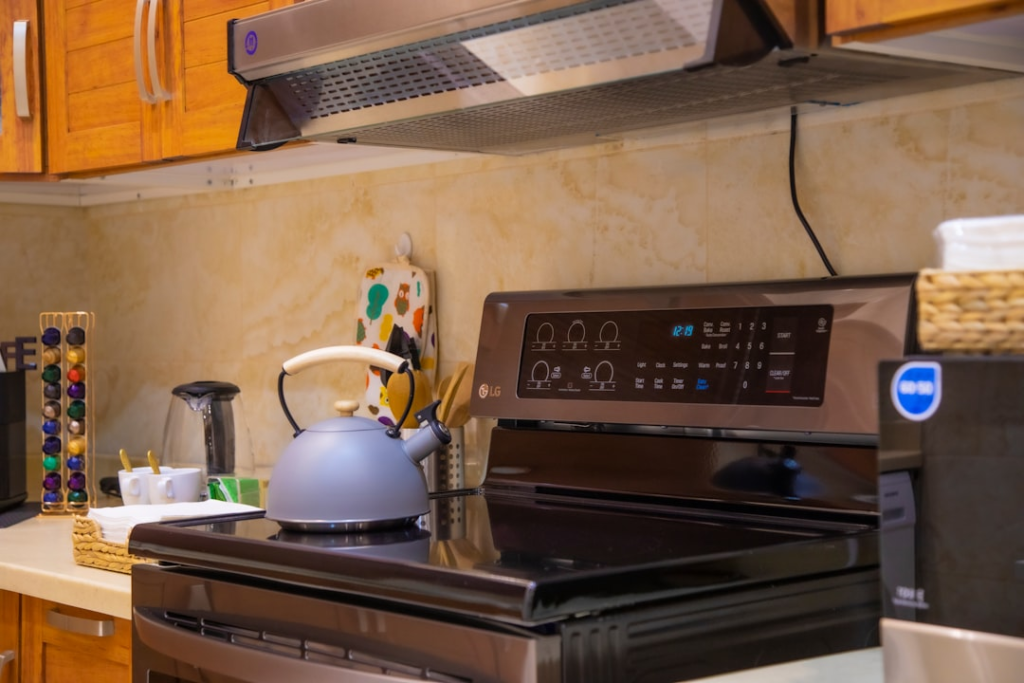
What a Range Hood Can — and Cannot — Do
A vented hood can reduce lingering odors and airborne grease when positioned above the cooking area. Recirculating hoods are less effective because they filter and return air to the room rather than exhausting it outdoors.
Neither type makes charcoal, propane, pellet or other combustion grills safe inside. Those appliances can produce dangerous combustion gases and must stay outdoors unless the manufacturer explicitly specifies indoor use.
How to Reduce Smoke Indoors
Trim excess surface fat, avoid sugary marinades until late in the cook, keep grease trays clean and preheat only as long as the appliance manual recommends. Patting meat dry before grilling also reduces splatter and helps browning.
If the appliance begins producing more smoke than your ventilation can handle, lower the heat or stop cooking and address the grease source rather than simply relying on the hood.
Best Setup for an Apartment Kitchen
Use a purpose-built indoor electric grill on a stable, heat-resistant surface with the manufacturer’s required clearance. Run the hood before the grill is hot and leave it on briefly after cooking. Open a window only if doing so does not interfere with the hood’s airflow or building requirements.
See our See Our Best Indoor Electric Grills → for appliance choices designed for this kind of use.
The Rule That Matters Most
If the product manual says outdoor use only, keep it outdoors. A powerful kitchen hood does not change that instruction.